How To Recover After A Hard Run
A practical step-by-step guide to how to recover after a hard run, including preparation, instructions, common issues, tips, and next steps.

How To Recover After A Hard Run
This guide explains how to approach how to recover after a hard run, including the preparation, practical steps, common mistakes, and final checks that help you finish with confidence.
Before You Start: How to Recover After a Hard Run
What You Need
Safety, Timing, or Context Checks
A "hard run" means different things to different runners. It could be a long-distance effort, a fast interval session, or a challenging hill workout. The harder the effort, the more important your recovery becomes. Your body uses a lot of energy and sustains tiny micro-tears in muscle fibres during intense exercise. Effective recovery helps repair these fibres, replenish energy stores, and prepare you for your next run. Skipping recovery can lead to prolonged fatigue, increased injury risk, and hinder your progress.
Step-by-Step Instructions: How to Recover After a Hard Run
Quick Reference: How To Recover After A Hard Run
Common Problems When You Recover After A Hard Run
Recovery can sometimes feel tricky, and runners often fall into common traps that hinder their progress. Recognising these issues and knowing how to fix them can make a big difference.
Ignoring Immediate Post-Run Nutrition and Hydration
Problem: You finish a run, shower, and then get caught up in other tasks, delaying eating and drinking for an hour or more. This means you miss the crucial 30-60 minute post-run window when your body is most efficient at absorbing nutrients.
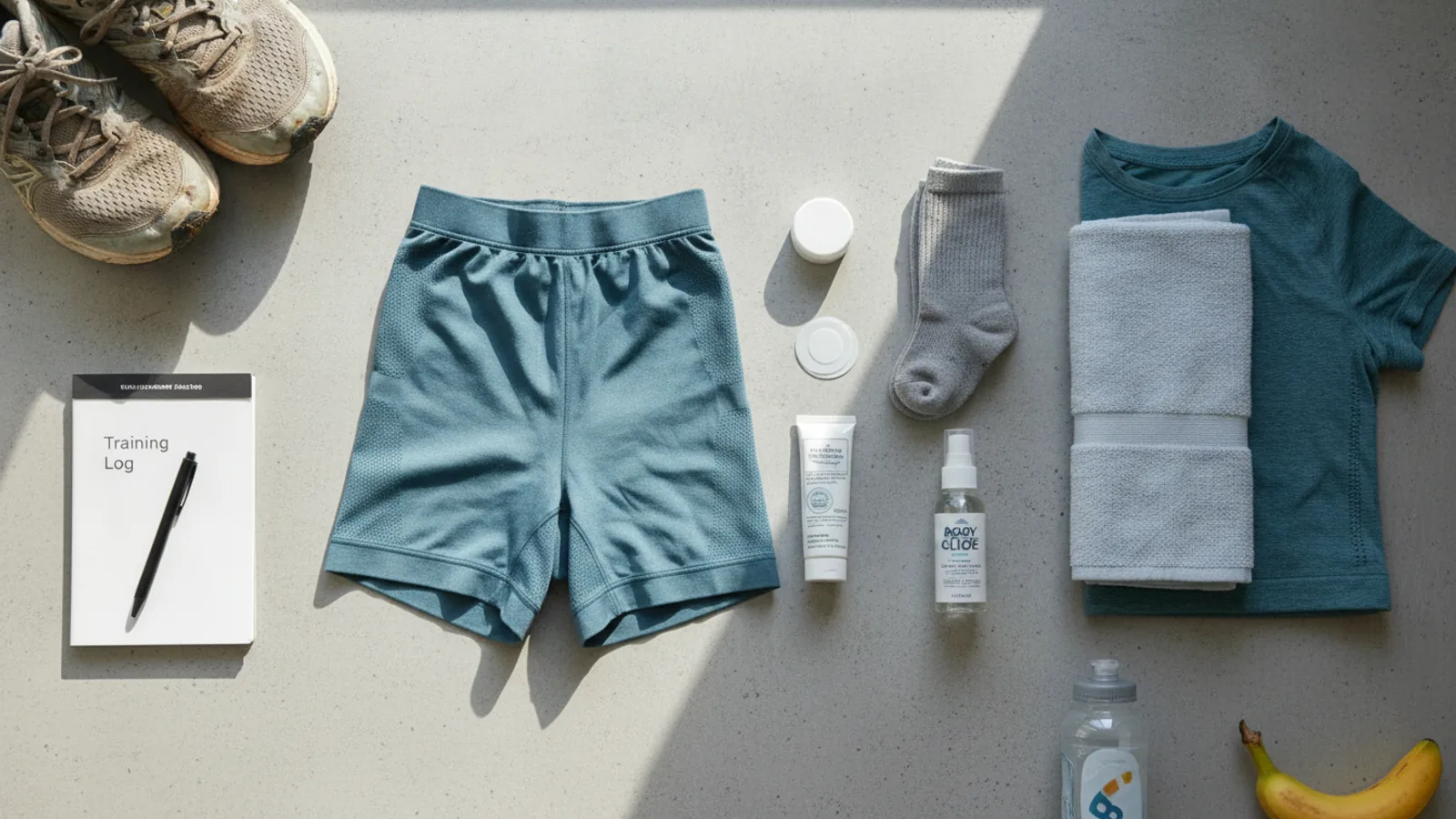
Fix: Prepare your recovery snack or drink before your run. Have it readily accessible for immediate consumption. Even a banana and a bottle of water can make a huge difference in kickstarting your recovery. Make it a non-negotiable part of your post-run routine.
Stretching Too Aggressively or When Muscles Are Cold
Problem: Feeling very stiff, you might be tempted to force deep stretches or try to stretch cold muscles before your body has had a chance to warm down. This can actually increase the risk of muscle strains or pulls, counteracting the benefits of gentle stretching.
Fix: Ensure your muscles are warm, ideally after your cool-down or even a warm shower, before attempting static stretches. Keep stretches gentle, holding for 20-30 seconds, and never bounce. If using a foam roller, ease into it and don't push into sharp pain. Think of it as releasing tension, not forcing flexibility.
Not Getting Enough Quality Sleep
Problem: Your training schedule is packed, and you cut back on sleep to fit everything in. While training stresses the body, sleep is when the body actually rebuilds and repairs. Chronic sleep deprivation will severely limit your recovery and adaptation to training.
Fix: Prioritise sleep. Treat your bedtime with the same importance as your training sessions. Aim for a consistent 7-9 hours nightly. Create a relaxing bedtime routine, make your bedroom dark and cool, and minimise screen time before bed. Listen to your body; if you feel constantly fatigued, it's a strong signal you need more rest.
Jumping Back into Hard Runs Too Soon
Problem: You feel good after a hard run and decide to push hard again the next day, not allowing sufficient time for full recovery. This can lead to overtraining, chronic fatigue, injury, and a plateau in performance.
Fix: Respect your recovery days and periodisation in your training plan. Hard runs should be followed by easy runs, cross-training, or complete rest. A general rule for significant efforts is to allow at least 24-48 hours of lighter activity or rest before your next strenuous session. Learn to distinguish between muscle soreness (DOMS) and actual fatigue or potential injury. When in doubt, err on the side of caution and take an extra rest day.
Advanced Tips for How To Recover After A Hard Run
Once you have the basics down, you might want to explore more advanced recovery strategies to optimise your performance and well-being, especially if you're training for longer races or higher intensity goals.
Personalised Nutrition and Hydration Planning
Move beyond general guidelines by understanding your specific needs. This might involve working with a sports nutritionist to develop a tailored eating plan that considers your training volume, intensity, body composition goals, and personal preferences. This could include precise timing of meals, specific carbohydrate-to-protein ratios, and incorporating anti-inflammatory foods. Similarly, conduct sweat-rate tests to determine your exact fluid and electrolyte losses, allowing for highly personalised rehydration strategies.
Strategic Use of Cold and Heat Therapy
While ice baths (cryotherapy) have long been popular for reducing muscle soreness and inflammation, their use is nuanced. Short, controlled cold exposure (e.g., 10-15 minutes in 10-12°C water) can reduce acute soreness. However, some evidence suggests it might slightly blunt muscle adaptation if used too frequently directly after strength sessions. Contrast therapy (alternating hot and cold) or warm baths with Epsom salts can also aid relaxation and circulation without the extreme cold. Research what works best for your specific training goals and consult a professional if unsure.
Consider Compression Garments
Compression socks, sleeves, or tights are designed to apply graduated pressure to muscles, which some runners find beneficial for recovery. The theory is that compression helps improve blood flow, reduce muscle oscillation during running (which can cause micro-damage), and aid in the removal of metabolic waste products. While scientific evidence is mixed, many runners report feeling less soreness and fatigue when using them during or after runs. Try them for yourself to see if they make a difference to your recovery experience.
Incorporate Mindfulness and Stress Reduction
Recovery isn't just physical; it's mental too. High levels of stress can impede recovery by affecting hormone balance and sleep quality. Incorporate practices like meditation, deep breathing exercises, or simply dedicated time for hobbies and relaxation into your routine. A calm mind can help your body relax and recover more effectively, making you a more resilient runner overall.
Regular Sports Massage or Myofascial Release
Beyond foam rolling, regular sessions with a qualified sports massage therapist can offer deeper tissue work. They can identify and address specific tight spots, adhesions, and muscle imbalances that contribute to soreness or potential injury. Similarly, consider tools like percussive therapy devices (massage guns) for targeted self-massage, which can be an effective way to relieve muscle tension and improve local blood flow.
How To Recover After A Hard Run FAQ
Q: How long does it typically take to recover after a hard run?
A: The immediate effects like depleted energy and dehydration can be addressed within a few hours. However, full muscle repair and replenishment of glycogen stores can take 24-72 hours, depending on the intensity and duration of the run, and your overall fitness level. Longer, harder efforts require more recovery time.
Q: What is the best food for recovery after a hard run?
A: The best recovery food is a combination of carbohydrates and protein, ideally in a 3:1 or 4:1 ratio. Carbohydrates replenish glycogen (energy) stores, and protein repairs muscle tissue. Examples include a recovery shake with protein powder and fruit, Greek yoghurt with granola, a wholemeal sandwich with lean meat, or even simply a banana and a handful of almonds immediately post-run.
Q: Should I take an ice bath after every hard run?
A: Ice baths can help reduce acute inflammation and soreness, but they are not necessary after every hard run. Their use is best reserved for particularly intense efforts or races where rapid recovery is critical. Excessive or frequent ice baths might slightly hinder muscle adaptation over time. Listen to your body and consider alternatives like a cool shower or contrast therapy for less extreme efforts.
Q: Can I skip stretching after a run?
A: While static stretching immediately after a run is not as crucial as refuelling and rehydrating, gentle stretching or foam rolling can help with muscle flexibility and reduce stiffness. If you are very tight, dedicating 5-10 minutes to gentle mobility can be beneficial. However, aggressive stretching of cold or fatigued muscles should be avoided.
Q: When can I run hard again after a difficult session?
A: It's generally recommended to allow at least 24-48 hours of recovery (easy running, cross-training, or complete rest) after a truly hard run before attempting another high-intensity workout. This allows your muscles time to repair and your energy stores to fully replenish. Ignoring this can lead to overtraining and increased injury risk.
Final Checklist for How To Recover After A Hard Run
To ensure you've covered all the essential bases for effective recovery, run through this quick checklist after your next hard run:
- Did you complete a gentle cool-down (5-10 minutes)?
- Did you start rehydrating immediately with water or an electrolyte drink?
- Did you consume a carbohydrate and protein-rich snack/meal within 30-60 minutes?
- Did you perform any gentle stretching or foam rolling on warm muscles?
- Did you shower and change into clean, dry clothes?
- Are you committed to getting 7-9 hours of quality sleep tonight?
- If needed, did you spend 10-20 minutes with elevated legs?
- Have you planned for active recovery on your next rest day, if appropriate?
- Are you listening to your body and distinguishing between soreness and pain?
By consistently applying these recovery principles, you’ll not only feel better but also improve your performance, reduce injury risk, and get more enjoyment out of every run. Happy recovering!