How To Reduce Chafing When Running
A practical step-by-step guide to how to reduce chafing when running, including preparation, instructions, common issues, tips, and next steps.
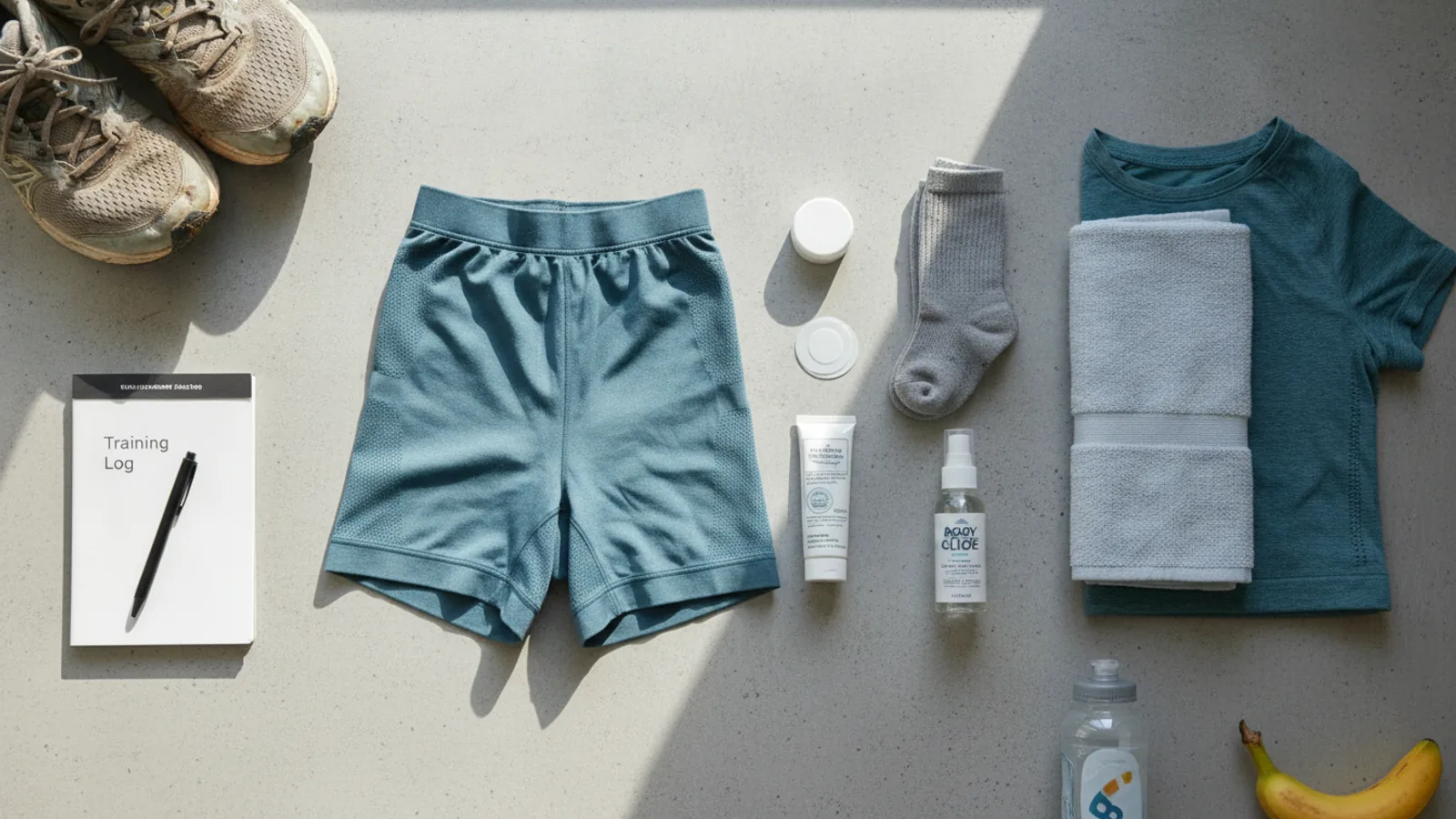
How To Reduce Chafing When Running
This guide explains how to approach how to reduce chafing when running, including the preparation, practical steps, common mistakes, and final checks that help you finish with confidence.
Before You Start
Step-by-Step Instructions
Quick Reference
Common Problems When Chafing During a Run
Even with careful planning, chafing can sometimes catch you off guard. Here are some common issues and practical solutions:
Problem: Chafing appears on a new area you hadn't considered.
Fix: Chafing can occur anywhere there's friction, so remain vigilant. Pay attention to areas like your lower back (from a hydration belt), armpits (from a backpack strap), or even your Achilles tendon (from sock height or shoe collars). Treat these new spots with balm immediately and adjust gear if possible. Often, a slight change in how you wear a backpack or belt can resolve it.
Problem: Anti-chafing balm seems to wear off on very long runs or in heavy rain.
Fix: Some balms are more water-resistant or longer-lasting than others. For ultra-distances or known wet conditions, consider carrying a small anti-chafing stick with you for reapplication. Alternatively, layering a more robust, heavy-duty barrier cream over your initial balm can provide extended protection. Ensure your initial application is generous.
Problem: Your favourite running shorts or top now cause chafing.
Fix: Gear can change over time. Elastic can stretch, causing clothing to move more, or fabric can degrade and become rougher. Inspect the item for worn areas, loose threads, or stretched elastic. If it's a newer item, consider if laundry detergents or fabric softeners might be leaving residues that contribute to friction. Sometimes, it's simply time to retire a well-loved but worn-out item.
Problem: Chafing appears despite wearing moisture-wicking clothing.
Fix: While moisture-wicking, the fit might still be an issue. If clothing is too loose, it can still rub and cause problems. If it's too tight, it can press seams into your skin. Ensure your wicking gear fits snugly but allows for full range of motion without bunching. Also, double-check that you're using an anti-chafing product in addition to the right clothing, as they work best together.
Problem: Experiencing a burning sensation or redness post-run, even without visible sores.
Fix: This is a mild form of chafing or a sign of skin irritation developing. It means the friction was there, but perhaps not severe enough to break the skin. Address it with gentle post-run care (shower, pat dry, soothing balm) and be more proactive on your next run. Increase your use of anti-chafing balm, or consider an alternative garment for that area.
Advanced Tips for Preventing Chafing
Once you've mastered the basics, consider these advanced strategies to keep chafing at bay, even in the most demanding conditions.
Pre-Run Shower and Exfoliation
Beyond a quick rinse, a gentle exfoliation of common chafing areas (e.g., inner thighs, underarms) with a soft washcloth a day or two before a long run can remove dead skin cells. This creates a smoother surface, potentially reducing friction. Always ensure skin is well-moisturised afterwards and completely dry before your run.
Strategic Hair Management
For some runners, body hair in areas like the inner thighs or underarms can contribute to chafing by trapping moisture and creating a rougher surface. Experimenting with trimming (not necessarily shaving) hair in these areas might reduce surface friction. This is a personal preference and should be approached carefully to avoid ingrown hairs or razor burn, which can be worse than chafing.
Layering for Ultimate Protection
For extreme conditions or ultra-distances, consider a strategic layering approach. For example, some runners wear thin cycling-style shorts under their running shorts or tights. This creates a double barrier of slick fabric, ensuring skin-on-skin friction is eliminated and reducing fabric-on-skin friction from the outer layer. Ensure both layers are moisture-wicking and fit well without bunching.
Using Zinc Oxide Creams for Persistent Issues
If you have a specific hotspot that repeatedly chafes despite balms and proper clothing, a heavy-duty cream containing zinc oxide (like nappy rash cream) can be highly effective. Zinc oxide provides a robust, long-lasting, water-resistant barrier. Apply a thick layer to the problematic area well before your run, allowing it to absorb slightly before dressing. It's more of a paste than a balm, offering superior protection for stubborn areas.
Considering Your Hydration and Electrolyte Balance
While often linked to performance, proper hydration and electrolyte balance also impact skin health. Imbalances can lead to skin feeling more sensitive or prone to irritation. Ensure you're adequately hydrated and replacing lost electrolytes during longer efforts. This supports overall bodily functions, including skin integrity.
Post-Run "Air Out" Routine
Immediately after your run and shower, especially if you've had a long, sweaty session, try to spend some time allowing your skin to air dry completely before putting on everyday clothing. This is particularly important for areas prone to moisture and yeast infections, such as the groin or underarms. Wearing loose, breathable clothing post-run helps the skin recover and reduces residual dampness.
How To Reduce Chafing When Running FAQ
Q: Can chafing happen even if I'm not sweating much?
A: Yes, absolutely. While sweat definitely makes chafing worse by increasing friction and softening the skin, dry skin can also chafe. Any repeated rubbing of skin on skin or skin on fabric can cause irritation, regardless of moisture levels.
Q: Is petroleum jelly (Vaseline) good for preventing chafing?
A: Petroleum jelly can work as a barrier to reduce friction. However, it can also clog pores for some people and might not be as breathable or durable as purpose-made anti-chafing balms. It's a readily available option but not always the most ideal for long-distance running.
Q: My sports bra always chafes. What can I do?
A: First, ensure your sports bra fits correctly. It shouldn't be too tight or too loose. Look for bras with wide, soft straps and seamless construction or flat seams, especially under the bust and around the armholes. Apply anti-chafing balm generously to any contact points where the bra rubs against your skin before your run.
Q: How can I prevent chafing from my running belt or backpack?
A: For belts, ensure they are snugly fitted to prevent movement, but not so tight that they dig in. For backpacks, adjust the straps carefully to distribute weight evenly and minimise bounce. Apply anti-chafing balm to your lower back, waist, or shoulders where the gear makes contact. Wearing a slightly thicker base layer can also provide an extra barrier.
Q: What should I do if chafing has already occurred and my skin is broken?
A: If your skin is broken, treat it like any other wound. Gently clean the area with mild soap and water, pat it dry, and apply an antiseptic cream or a healing balm (like those containing zinc oxide or calendula). Cover with a sterile dressing if needed to prevent infection. Avoid running on the affected area until it has healed significantly to prevent further irritation and potential infection.
Q: Do compression garments always prevent chafing?
A: Compression garments are excellent at preventing skin-on-skin chafing, particularly on the inner thighs, by providing a smooth, consistent barrier. However, if the garment itself has rough seams or an improper fit, it can still cause chafing. Always choose high-quality, seamless, or flat-seamed compression wear that fits well.
Q: Can laundry detergent cause chafing?
A: Yes, it can. Residues from harsh laundry detergents, fabric softeners, or even certain perfumes in detergents can sometimes remain in your technical clothing. When combined with sweat and friction, these residues can irritate sensitive skin and exacerbate chafing. Consider using a hypoallergenic or sports-specific detergent and avoid fabric softeners on running gear.
Final Checklist for a Chafing-Free Run
Before you head out the door for your next run, take a moment to run through this quick checklist to ensure maximum comfort and prevent unwanted irritation.
- Check Your Clothing: Is your gear clean, dry, and made of moisture-wicking fabric? Does it fit well – not too loose or too tight – with smooth seams?
- Identify Hotspots: Have you thought about all the areas where you typically chafe, or where you might chafe today given the distance and conditions?
- Apply Barrier Products: Have you generously applied anti-chafing balm, stick, or cream to all identified hotspots (inner thighs, underarms, nipples, bra lines, waistband, feet)?
- Skin Prep: Is your skin clean and completely dry before dressing and applying products?
- Hydration & Nutrition: Are you well-hydrated, especially if it's a longer run or hot day? Proper hydration supports overall skin health.
- Gear Check: Are your shoes laced correctly, and are your socks appropriate for the run? If using a belt or backpack, is it adjusted properly?
- Listen to Your Body: Are there any areas that feel a little sensitive before you start? Give them extra attention.
- Pack a Mini Balm (Optional): For very long runs or unpredictable weather, consider taking a small stick of anti-chafing product for mid-run reapplication.
By making these checks a routine part of your pre-run preparation, you can significantly reduce the risk of chafing and enjoy every mile of your journey.