What To Eat After A Run
A practical step-by-step guide to what to eat after a run, including preparation, instructions, common issues, tips, and next steps.
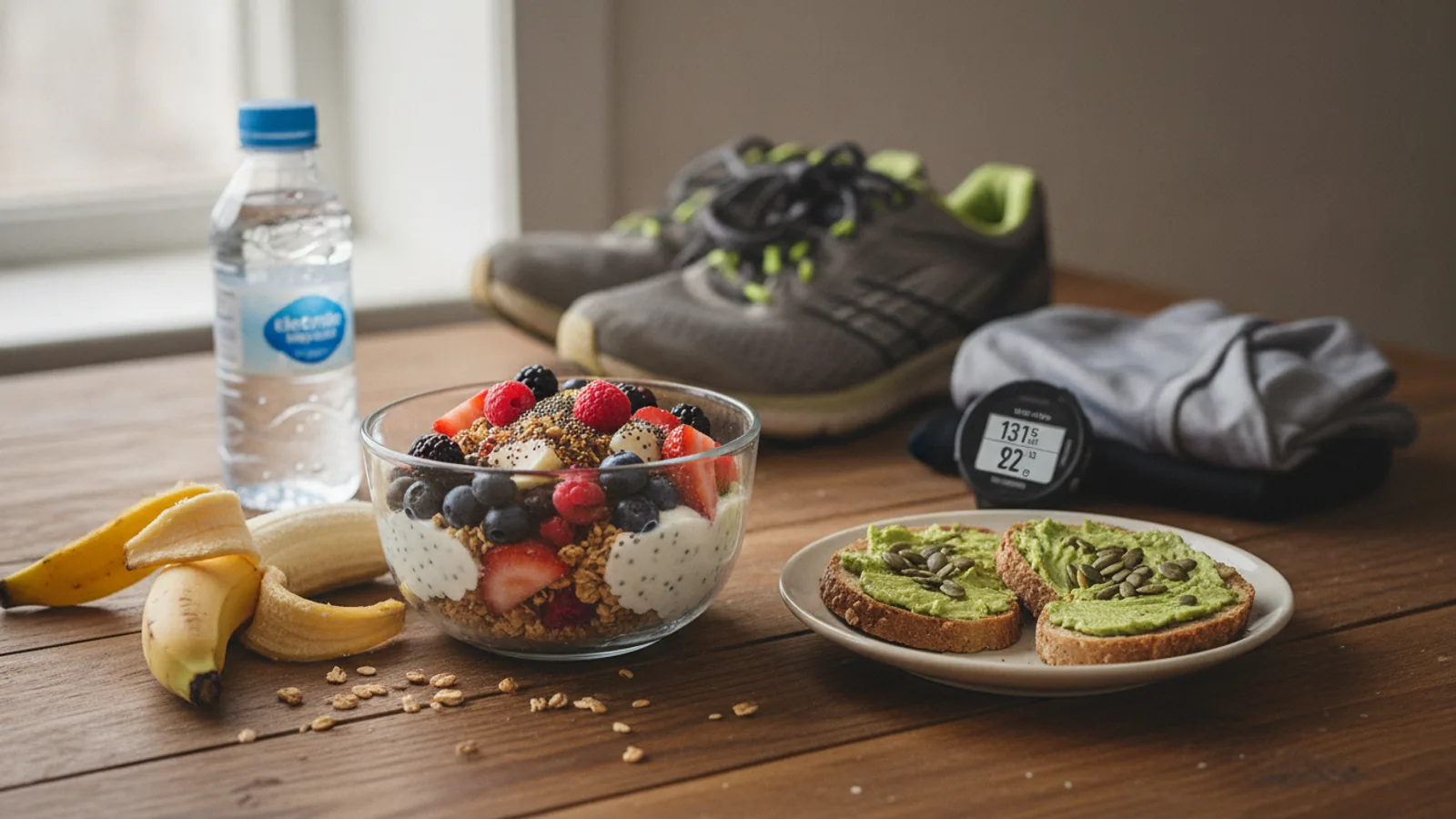
What To Eat After A Run
Quick Summary: what to eat after a run
After a run, your body needs specific nutrients to recover, repair, and prepare for your next session. This isn't just about feeling good; it's essential for improving your performance and preventing injuries. The most crucial steps involve refuelling with carbohydrates to restore your energy stores and consuming protein to help your muscles rebuild. Hydration is also key to replace fluids lost through sweat. The timing of your post-run meal is almost as important as the meal itself, with a "golden window" shortly after you finish. This guide will walk you through the simple, practical steps to make sure your body gets exactly what it needs after hitting the road or trail, helping you stay strong, healthy, and ready for your next adventure.
Before You Start
Step-by-Step Instructions
Quick Reference
Common Problems When You what to eat after a run
Even with the best intentions, things can go wrong with post-run nutrition. Here are some common issues and practical solutions:
1. Forgetting to Eat or Delaying Too Long:
- Problem: You get home, shower, do chores, and an hour or more passes before you think about food. This means you miss the "golden window" for optimal recovery.
- Fix: Plan ahead! Have a snack or recovery drink ready before you leave for your run. As soon as you step back inside, grab it. Make it a non-negotiable part of your cool-down routine. Even a piece of fruit and a glass of milk is better than nothing.
2. Eating the Wrong Things (Too Much Fat/Fibre, Not Enough Carbs/Protein):
- Problem: You might opt for a greasy fry-up or a huge salad with lots of raw vegetables. While healthy, high fat can slow digestion, and too much fibre immediately after can cause stomach upset. Not enough carbs or protein means your body can't recover properly.
- Fix: Focus on easily digestible carbs and lean protein in that 3:1 or 4:1 ratio. Save the high-fat, high-fibre meals for a few hours later. Think smoothies, toast with egg, or chicken with rice immediately after.
3. Not Eating Enough Overall:
- Problem: Especially after a long, hard run, your appetite might be suppressed, or you might underestimate how many calories and nutrients your body needs to recover. This can lead to chronic fatigue and poor performance.
- Fix: Understand the energy demands of your runs. If you've run for an hour or more, you need a substantial meal, not just a small snack. If appetite is an issue, liquid nutrition like a recovery shake can be easier to consume. Ensure your overall daily intake matches your activity levels.
4. Stomach Upset or Nausea Post-Run:
- Problem: Some runners experience nausea or a sensitive stomach immediately after intense exercise, making it hard to eat solid food.
- Fix: Stick to bland, easily digestible options. Liquid calories, such as a watered-down sports drink, fruit juice, or a simple fruit smoothie, can be very helpful. Avoid anything fatty, spicy, or very fibrous right away. Sips of water or ginger tea might also help settle your stomach before you attempt food.
5. Relying Too Much on Sports Gels/Bars for Recovery:
- Problem: While convenient for *during* a run, many sports gels and bars are designed for quick energy, not comprehensive post-run recovery, lacking the full range of nutrients found in whole foods.
- Fix: Use these for convenience in a pinch, but aim to transition to whole foods as soon as possible. Consider a protein-rich recovery bar if it also contains good carbohydrates, but don't make them your primary recovery meal every time.
Advanced Tips for what to eat after a run
Once you've mastered the basics, you can fine-tune your post-run nutrition for even better results. These advanced tips focus on optimising your recovery based on specific scenarios and individual needs.
1. Consider the "Second Window" for Longer Runs:
- While the 30-60 minute window is critical, for very long or intense runs (e.g., over 90 minutes), your glycogen stores are significantly depleted. You'll need continued refuelling. Aim to consume a full, balanced meal within 2-3 hours after your initial recovery snack/meal. This ensures complete glycogen replenishment and sustained muscle repair for the next 24 hours.
2. Micronutrient Boost: Focus on Anti-Inflammatory Foods:
- Running causes some inflammation in the body, which is a natural part of the adaptation process. Incorporating foods rich in antioxidants and anti-inflammatory compounds can help support recovery.
- Examples: Add berries, leafy greens (like spinach or kale), turmeric, ginger, and oily fish (like salmon) to your post-run meals. These help combat oxidative stress and promote healing.
3. Prioritise Sleep and Overall Diet:
- Post-run nutrition is only one piece of the recovery puzzle. Adequate sleep (7-9 hours for most adults) is crucial for hormone regulation and cellular repair. Your overall diet throughout the day also significantly impacts your ability to recover and perform. Ensure you're consistently eating a balanced diet with plenty of fruits, vegetables, whole grains, and lean proteins, not just around your runs.
4. Track Your Progress and Symptoms:
- Keep a running journal that includes not only your training but also what you ate afterwards and how you felt. Are you consistently tired? Sore? Are your energy levels improving? This detailed self-monitoring can reveal patterns and help you identify specific nutritional adjustments that might benefit you.
5. Experiment with Plant-Based Protein Sources:
- If you're looking to diversify your protein intake or follow a plant-based diet, explore a wider range of plant proteins beyond just protein powder. Combinations of legumes (beans, lentils), whole grains (quinoa, brown rice), nuts, and seeds can provide a complete amino acid profile necessary for muscle repair.
- Examples: Lentil and vegetable curry with brown rice, tofu scramble with wholemeal toast, or a quinoa salad with black beans and corn.
6. The Role of Healthy Fats (Later in Recovery):
- While you want to limit high-fat foods immediately post-run due to slower digestion, healthy fats are vital for overall health and longer-term recovery. Incorporate sources like avocados, nuts, seeds, and olive oil into your meals later in the day to support hormone function and absorption of fat-soluble vitamins.
What To Eat After A Run FAQ
Q: What's the absolute best thing to eat after a run?
Q: How quickly do I need to eat after a run?
Q: Can I just have a protein shake after a run?
Q: What if I'm not hungry after a run?
Q: Should I eat differently after a short, easy run compared to a long, hard run?
Final Checklist for what to eat after a run
Use this checklist to ensure you're ticking all the boxes for optimal post-run recovery:
- Refuel Quickly: Did I eat or drink something with carbs and protein within 30-60 minutes of finishing my run?
- Carb Count: Did my recovery meal/snack include enough carbohydrates to replace lost energy?
- Protein Power: Did I get sufficient protein to kick-start muscle repair?
- Hydration Check: Did I drink enough water or electrolyte fluids to rehydrate properly?
- Whole Foods First: Did I prioritise nutrient-dense whole foods over highly processed snacks?
- Effort Matched: Was the amount and type of food appropriate for the duration and intensity of my run?
- Plan Ahead: Did I have my recovery meal/snack prepared or easily accessible?
- Listen to My Body: Am I paying attention to how different foods affect my recovery and energy levels?
- Consistent Recovery: Am I making post-run nutrition a regular part of my training routine?